ADA-Compliant Concrete Sidewalks: What Property Owners Need to Know
Property owners seeking ADA-compliant sidewalk construction aim to ensure accessible, safe pathways, and local contractors can help achieve compliance with accessibility standards.
Property owners exploring ada-compliant concrete sidewalks: what property owners need to know often find themselves seeking reliable guidance on accessibility standards and practical installation options. Ensuring sidewalks meet ADA requirements is not only about legal compliance but also about creating welcoming, accessible environments for all visitors. Local contractors who specialize in ADA-compliant sidewalk construction can provide valuable insight into the specific design features and materials that help meet these standards, making it easier for property owners to plan and execute upgrades confidently.
Understanding the importance of accessible pathways can lead property owners to consider the benefits of working with experienced service providers in the area. These local experts are familiar with the common challenges faced in the community and can help identify the most effective solutions for ensuring sidewalks are safe, durable, and compliant. Keep reading to learn more about what ada-compliant concrete sidewalks entail and how local specialists can assist in making accessible improvements that serve everyone’s needs.
- ADA-compliant sidewalk construction is essential for property owners planning to improve accessibility and meet federal standards, with local contractors ensuring proper grading and tactile surface requirements. Sidewalk installation or repair may be needed when existing walkways are uneven or non-compliant, and service providers focus on creating smooth, level surfaces that adhere to ADA guidelines. Concrete sidewalk upgrades are often required during renovations or new developments to ensure accessibility, with local pros applying techniques that minimize tripping hazards and promote durability. Accessibility sidewalk improvements are necessary for businesses and public spaces aiming to enhance ADA compliance, with contractors customizing solutions to accommodate mobility devices and pedestrian needs. Sidewalk widening or reconfiguration might be needed to meet accessibility standards, and local service providers approach these projects with precision to ensure compliance and safety.
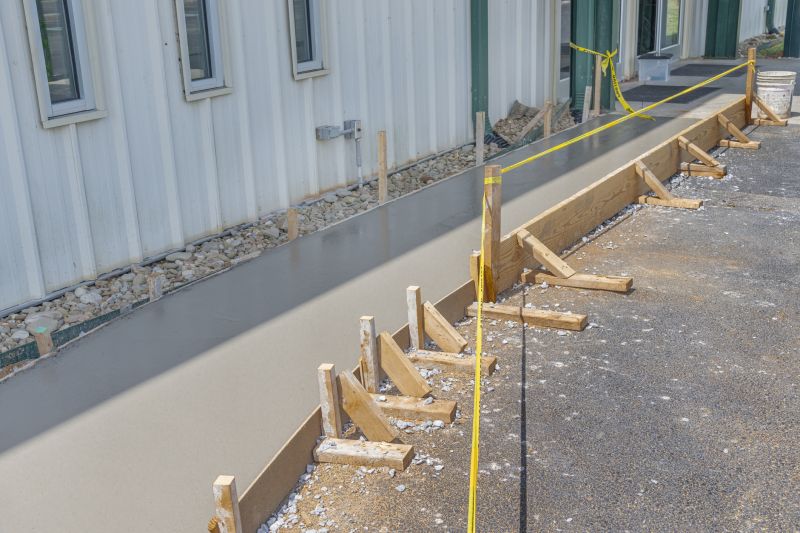

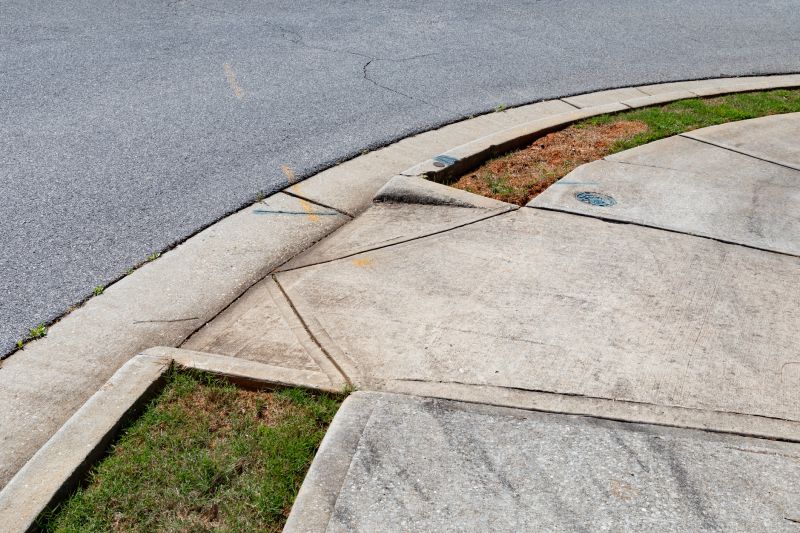
When property owners search for information about ada-compliant concrete sidewalks: what property owners need to know, they are often looking to understand how accessible walkways can meet legal requirements and improve usability for all visitors. This topic typically comes up during planning or renovation projects where accessibility is a priority, especially for commercial properties, public spaces, or multi-family residential developments. Property owners may be concerned about ensuring their sidewalks are safe, functional, and compliant with regulations designed to accommodate individuals with mobility challenges. Understanding the basics of ada compliance helps owners navigate local building codes and avoid potential legal issues, making it an essential consideration for any project involving sidewalk construction or upgrades.
Many property owners relate this topic to existing problems such as uneven or cracked sidewalks that pose tripping hazards or barriers that hinder wheelchair access. They might also be planning new construction or renovations that require ADA compliance to ensure accessibility for all visitors and tenants. For example, a shopping center upgrading its walkways or a residential complex adding accessible pathways will need to consider the slope, width, and surface smoothness of their concrete sidewalks. Local contractors who specialize in ADA-compliant sidewalk construction can help address these concerns by designing and building walkways that meet all relevant standards, ensuring safety and compliance while fitting into the overall property aesthetic.
The types of properties that frequently come up in discussions about ada-compliant concrete sidewalks include commercial establishments, public parks, government buildings, and residential communities. These properties often have legal obligations to provide accessible routes for individuals with disabilities. In addition, property owners of multi-unit housing, healthcare facilities, and educational institutions may seek to improve accessibility to meet regulatory standards and promote inclusivity. These projects often involve assessing existing sidewalks and planning modifications that conform to ADA guidelines, which emphasize features such as proper slope, tactile indicators, and sufficient width to accommodate mobility devices comfortably.
Connecting with local service providers who specialize in ADA-compliant sidewalk construction is a practical step for property owners planning such projects. These professionals understand the specific requirements for accessible walkways and can help translate regulatory guidelines into functional, durable concrete sidewalks. They work closely with property owners to plan, design, and build pathways that are not only compliant but also resilient and visually integrated into the property environment. By engaging experienced local contractors, property owners can ensure their sidewalks provide safe, accessible routes that serve the needs of all visitors and meet legal standards, helping to avoid potential issues down the line.
Accessible Pathway Construction - local contractors who specialize in creating accessible walkways ensure compliance with ADA standards and proper planning for smooth, level surfaces.
Concrete Repair and Resurfacing - professionals experienced in concrete work can help address existing sidewalk issues to meet ADA requirements and improve safety.
Sidewalk Expansion and Ramps - experts in sidewalk modifications can install ramps and extensions that enhance accessibility for all users.
Curb and Gutter Installation - contractors who handle curb and gutter work contribute to ADA-compliant pathways by providing proper drainage and level transitions.
Site Planning and Permitting - local service providers assist with the planning and permitting processes necessary for ADA-compliant sidewalk projects.
Concrete Finishing and Texturing - skilled finishers can add slip-resistant textures that meet ADA safety standards for pedestrian pathways.
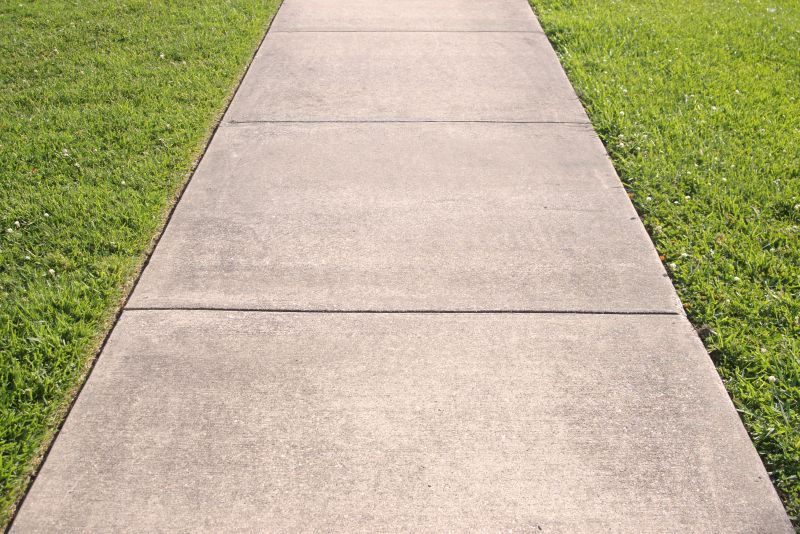
When comparing service providers for ADA-compliant concrete sidewalks, it is essential for property owners to prioritize experience with similar projects. Contractors who have a history of working on sidewalk installations that meet ADA standards are more likely to understand the specific requirements, such as proper slope, tactile warning surfaces, and accessible curb ramps. Reviewing a contractor’s portfolio or seeking references can provide insight into their familiarity with these standards and their ability to deliver compliant, durable results.
Clear, written expectations are vital when evaluating potential contractors. Property owners should seek detailed proposals that outline the scope of work, materials to be used, and compliance considerations. This transparency helps ensure there is a mutual understanding of project requirements and reduces the risk of misunderstandings or unmet standards. Reputable service providers will typically be willing to provide comprehensive documentation that clarifies what will be done and how it aligns with ADA guidelines.
Effective communication is another critical factor in selecting a contractor for ADA-compliant sidewalk construction. Service providers who are responsive, transparent, and willing to answer questions demonstrate professionalism and a commitment to client satisfaction. Good communication helps property owners stay informed about project progress, address concerns promptly, and ensure that all ADA requirements are incorporated correctly throughout the construction process. Focusing on these qualities can lead to a smoother experience and a sidewalk installation that meets accessibility standards.
Property owners often search for ada-compliant concrete sidewalks: what property owners need to know when they are planning practical projects around their homes and businesses. Local pros provide ADA-Compliant Sidewalk Construction services for everyday jobs and straightforward project options.
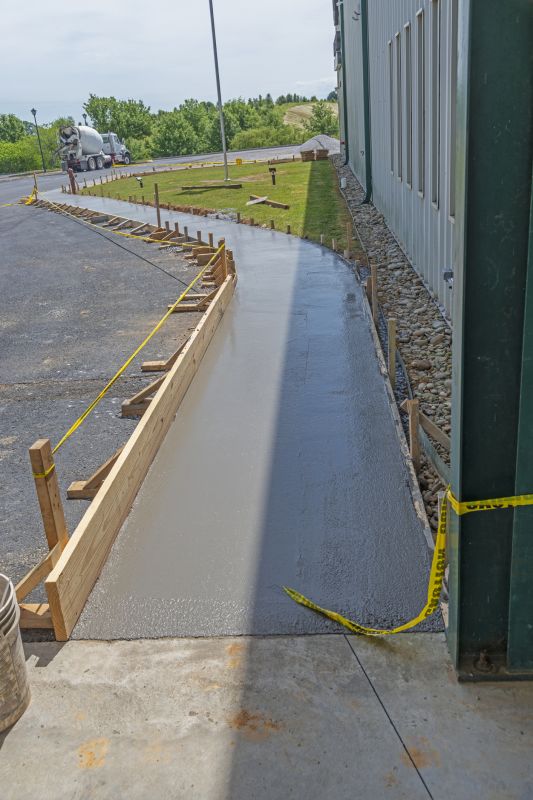
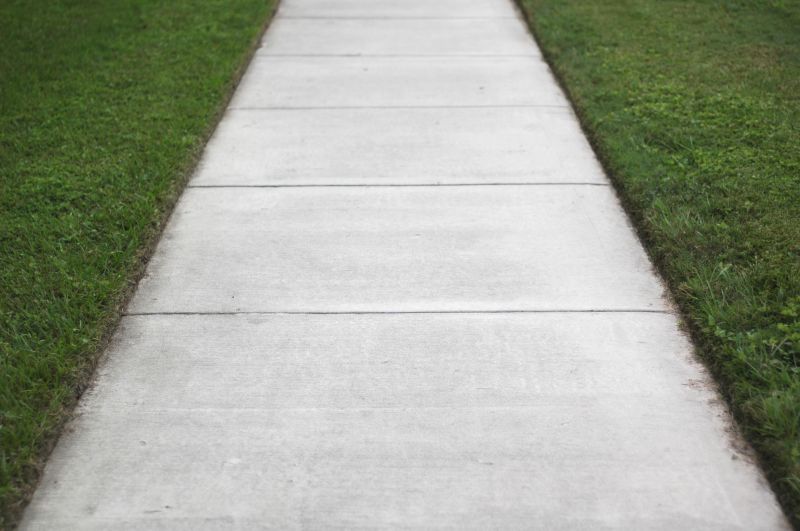
Understanding the importance of ADA-compliant concrete sidewalks is essential for property owners who want to ensure accessibility and meet legal requirements. Whether planning a new sidewalk installation or updating existing walkways, everyday situations like accommodating visitors with mobility challenges or preparing for community events highlight the need for proper design and construction. Property owners often look up this topic to learn about the specific features that make sidewalks ADA-compliant, such as proper slope, width, and surface smoothness, and to find experienced local contractors who can handle these specialized projects.
When considering ADA-compliant sidewalk construction, many property owners turn to local service providers who understand the importance of accessibility standards. These professionals can assess existing walkways, recommend appropriate modifications, and ensure that new installations meet all necessary guidelines. Connecting with local contractors familiar with ADA requirements helps property owners navigate the process smoothly and avoid potential compliance issues, making it easier to create safe, accessible outdoor spaces for everyone.
What are the key features of ADA-compliant concrete sidewalks? ADA-compliant sidewalks typically include features such as a smooth, stable surface, appropriate slope and cross-slope, and accessible curb ramps to ensure safe and easy access for all users.
Why is proper slope important for ADA compliance? Proper slope, usually a maximum of 1:12, helps prevent water pooling and ensures wheelchair users and individuals with mobility challenges can navigate the sidewalk safely and comfortably.
What role do local contractors play in ensuring ADA compliance? Local contractors assess site conditions, design accessible features, and construct sidewalks that meet ADA standards, helping property owners create accessible pathways.
Are there specific materials or finishes recommended for ADA-compliant sidewalks? While concrete is commonly used, local pros may recommend specific finishes or textures to enhance slip resistance and tactile features for accessibility.
How can property owners ensure their sidewalks meet ADA standards? Property owners should work with experienced local service providers who understand ADA guidelines and can design and build compliant concrete sidewalks accordingly.
Understanding ADA guidelines - Property owners should familiarize themselves with ADA standards to ensure sidewalks are accessible and compliant during construction projects with local contractors.
Design considerations - Incorporating features like curb ramps and appropriate slope angles can improve sidewalk accessibility for all users with the help of local service providers.
Material choices - Selecting durable, slip-resistant concrete options can enhance safety and longevity, with local pros guiding proper installation techniques.
Permitting and inspections - Ensuring all necessary permits are obtained and inspections are completed helps property owners meet ADA requirements with support from local contractors.
If you are thinking about ada-compliant concrete sidewalks: what property owners need to know for a property, this guide is meant to help you understand this topic, the typical project types, and how different options might fit your plans.
When you are ready, you can use the quote form on this page to share a few details about your project. From there, local pros can review the basics and follow up with options that match what you have in mind.